Buying Horse Property in Aiken
A private-client guide to buying equestrian property in Aiken, South Carolina, from horse farms near Hitchcock Woods to eventing, polo, and training properties.
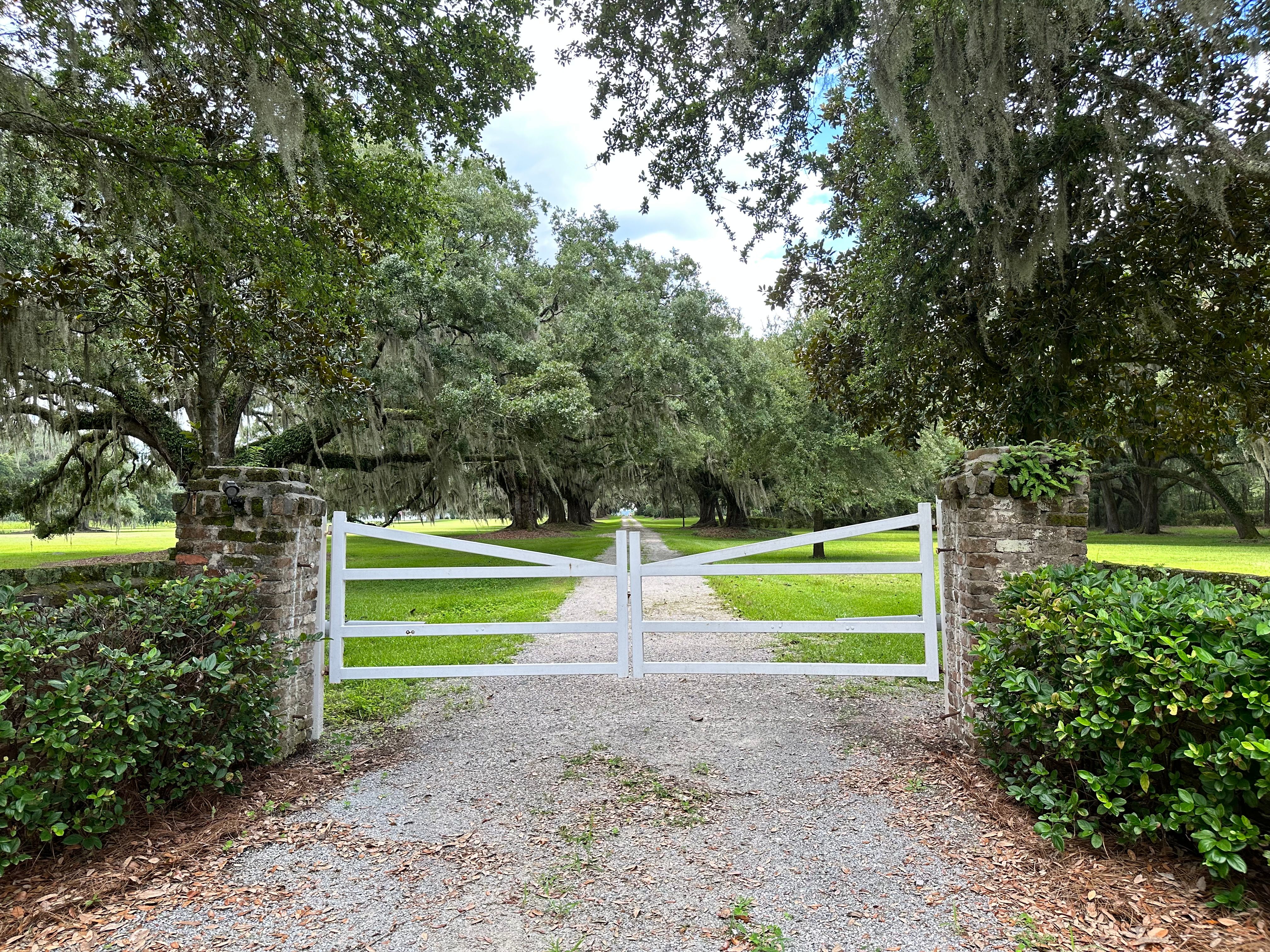
Aiken, South Carolina
TL;DR
Aiken is not one equestrian market. An eventer, polo player, hunter/jumper rider, foxhunter, and private estate buyer may all be searching the same geographic area while needing completely different properties. The better search starts with discipline, daily horse use, turnout, arena needs, trailer movement, proximity to places like Hitchcock Woods or Bruce’s Field, and how much work the buyer is willing to take on. In Aiken, usable acreage, location, drainage, workflow, and access often matter more than total acreage or a polished “turnkey” presentation.
Aiken is one of those places where the right equestrian property can feel obvious once you know what to look for — and completely misleading if you do not.
You can find horse farms, private stables, eventing properties, polo acreage, hunter/jumper facilities, equestrian estates, and smaller riding properties all within the same general market. The mistake is treating them as interchangeable.
They are not.
Aiken works best when you buy around the life you actually intend to live with horses.
That means the first question is not, “How many acres can I get?”
It is:
What do you need this property to do for you every day?
Aiken is not one equestrian market
The phrase Aiken horse property covers too much ground.
A rider who wants quick access to Hitchcock Woods is solving a different problem from an eventer who needs room for conditioning work, turnout, trailer traffic, and a serious arena.
A polo buyer may care about field access, barn capacity, and proximity to the right part of the local horse community.
A hunter/jumper buyer may be more focused on trainer access, footing, arena dimensions, and how quickly they can get to Bruce’s Field.
Someone buying a private equestrian estate may want the exact opposite: privacy, acreage, mature trees, and enough distance to feel removed from the competition circuit without actually being far from it.
That is why I would narrow the Aiken search before I ever widen it.
The better you define the operation, the fewer properties you need to see.
Proximity can be worth more than acreage
Aiken is a market where location inside the equestrian ecosystem can matter more than an extra five or ten acres.
Hitchcock Woods alone changes the equation.
For the right rider, access to more than 2,000 acres of preserved woodland and miles of equestrian trails is not a recreational bonus. It can become part of the way the property is used.
The same applies to Bruce’s Field and the Aiken Horse Park.
If your calendar revolves around eventing, hunter/jumper competition, winter training, foxhunting, polo, or a particular trainer, the value of being closer to the places you use repeatedly becomes very real.
I would rather put a buyer in the right position with twelve useful acres than farther out with twenty-five acres they do not need.
That is not always the cheaper choice.
It is often the smarter one.
Some Aiken equestrian properties are valuable because they are hard to recreate
The obvious value in a horse farm is easy to see:
barns, stalls, fencing, arenas, paddocks, pasture, equipment buildings.
The harder value is in the pieces that cannot be installed later.
Good ground.
Good access.
Useful topography.
Drainage.
A location that works.
A layout that does not fight you every day.
Those are the things I pay attention to first.
A dated barn can be renovated.
Fencing can be replaced.
A house can be improved.
It is much harder to fix a property that is badly positioned, awkwardly configured, or limited in ways that only become obvious after you start operating it.
That is where the better Aiken acquisitions often separate themselves from the prettier listings.
I would not overpay for “turnkey”
Turnkey equestrian properties are easy to market.
Fresh fencing. Finished barn. Arena. Landscaping. Everything photographed at the right time of day.
That has value.
But it also means the seller has already packaged the property in the easiest possible way for the market to understand it.
The more interesting opportunity is often the property where the difficult pieces are already right and the visible pieces are not.
Maybe the house is dated.
Maybe the barn is functional but not impressive.
Maybe the arena needs work.
Maybe the fencing is tired.
If the property has the right location, usable acreage, drainage, access, turnout potential, and room to improve, I would rather look at that carefully than automatically pay the premium for someone else’s finished version.
The question is not whether a property is perfect.
The question is whether the imperfections are cheap to solve.
“Horse farm” and “equestrian estate” are not the same thing
Aiken has both, and buyers sometimes cross-shop them without realizing how different the ownership experience can be.
A horse farm is usually about function first.
An equestrian estate may be balancing function with privacy, architecture, landscaping, guest accommodations, entertaining space, or a larger residential component.
Neither is better.
But I want to know which one you actually want.
If the horses are the center of the property, I am going to evaluate the land, barns, turnout, arena, trailer movement, fencing, and daily workflow before I care about the kitchen.
If the property is primarily an estate where horses are part of the lifestyle, the balance changes.
That distinction can save a lot of wasted showings.
Eventing property in Aiken deserves its own search logic
Aiken has a strong eventing identity, and an eventing buyer should not be searching the same way as a general residential acreage buyer.
The questions become more specific:
Can the property support conditioning work?
Is there enough turnout?
Is there a suitable arena or a realistic site for one?
How does the footing behave?
How far are you from the venues and trainers you actually use?
Can trailers and larger rigs move easily through the property?
Is there enough separation between horse traffic, equipment, guests, and the residence?
Those details matter more than whether the listing description says “perfect for horses.”
That phrase is nearly meaningless.
Polo buyers are looking at a different version of Aiken
Polo creates another layer of demand.
A buyer involved in polo may care about barn capacity, turnout, trailer access, field access, seasonal use, staff needs, and proximity to the parts of Aiken where that community is concentrated.
That can make a property with fewer residential amenities more valuable than a polished estate with the wrong location or configuration.
This is exactly why semantic categories matter in equestrian real estate.
“Horse property” is too broad.
A polo property, an eventing farm, a hunter/jumper setup, and a private equestrian estate may all be listed under the same general search filters while serving completely different buyers.
Rodeo is not Aiken’s core identity
Not every equestrian market should be forced into the same vocabulary.
Aiken is not Weatherford or Stephenville.
Rodeo, cutting, reining, and western-performance property are not the dominant search logic here.
Aiken is much more naturally connected to eventing, hunter/jumper competition, foxhunting, polo, carriage traditions, private riding, and the broader English-sport equestrian community.
That distinction is useful because it tells you what kind of local expertise actually matters.
A buyer looking for a barrel-racing or rodeo setup may be better served in another market entirely.
A buyer looking for an eventing farm near a mature equestrian network may find Aiken unusually difficult to replace.
The Woods are part of the property decision
Hitchcock Woods is not just something to mention in a relocation guide.
For certain buyers, it changes the search itself.
If you ride there regularly, your relationship to the Woods becomes part of the value equation.
That can make a smaller horse property in the right area more compelling than a larger farm farther away.
It can also make access, trailer parking, and riding routes more important than buyers initially expect.
This is the kind of local nuance that does not show up cleanly in national property portals.
It is also why I do not think equestrian buyers should choose an agent based solely on who has the most listings.
The more specialized the requirement, the more useful the right local network becomes.
Bruce’s Field matters for a different reason
The Aiken Horse Park at Bruce’s Field gives Aiken another layer of credibility as an active competition market.
For hunter/jumper and eventing buyers, that can affect where they want to be, how often they haul, and how much they value proximity.
Again, the important point is not that every buyer needs to be close.
It is that the property search should reflect the buyer’s actual routine.
If you are at the Horse Park constantly, distance matters.
If you are not, there is no reason to automatically pay for that convenience.
Good acquisition strategy is often just refusing to pay for benefits you will not use.
Usable acreage is more important than the number in the listing
Aiken is no different from other equestrian markets in this respect.
Ten acres can operate beautifully.
Twenty acres can be frustrating.
The difference is in how the land actually works.
I want to know:
- how much ground is truly usable;
- how much is suitable for turnout;
- whether paddocks can be divided intelligently;
- where water moves after rain;
- whether there is room for a dry lot or sacrifice area;
- how horses move between barn, pasture, and arena;
- whether a tractor can reach what it needs to reach;
- whether trailers can enter, turn, park, and leave cleanly;
- and whether the property still has room to evolve.
That tells me more than the acreage number by itself.
Barns should be judged by workflow, not stall count
A twelve-stall barn sounds impressive.
It does not tell me whether I want it.
I care about ventilation, aisle width, water, feed storage, hay storage, tack space, wash areas, equipment access, lighting, drainage, manure handling, and how the barn connects to the rest of the farm.
I want to know whether the barn makes daily work easier or harder.
The best equestrian properties tend to have a rhythm to them.
Horse movement makes sense.
Equipment movement makes sense.
Deliveries make sense.
The residence does not constantly interfere with the working side of the property.
That is difficult to convey in listing photos, but very easy to feel once you know what you are looking for.
The private market matters, but not because everything good is “off-market”
The term off-market is abused in luxury and equestrian real estate.
There is no secret warehouse of perfect horse farms that only insiders can see.
What does exist is a connected market.
Owners talk.
Trainers know who may be moving.
Barn managers hear things.
Agents know which farms have quietly been considered for sale.
Properties circulate through conversations before they become polished listings.
That matters most when your requirement is specific.
If you need a generic three-bedroom home, the public market is usually enough.
If you need an Aiken equestrian property with a particular barn setup, usable acreage, arena requirements, riding access, expansion room, and a very specific location, relationships become much more valuable.
I would rather start with your requirements than with listings
If you told me you were buying in Aiken, I would want to know:
How many horses?
What discipline?
Private use or commercial?
Eventing, hunter/jumper, polo, foxhunting, dressage, recreational riding, or something else?
How much turnout do you actually need?
Do you need an arena now?
Covered or outdoor?
Do you need staff housing?
How often do you haul?
Where do you need to be regularly?
How much work are you willing to take on?
Do you want a finished equestrian estate or a horse farm with upside?
What could change in the next five years?
Once those answers are clear, the search gets much smaller.
That is the advantage.
You stop shopping the entire Aiken horse-property market and start looking only at the equestrian real estate that fits your operation.
And when the requirement is specific enough, I can put it in front of an Aiken specialist who knows the local farms, the disciplines, the equestrian neighborhoods, and the people around them.
That is far more useful than sending you another automated listing feed.
Related Lowcountry equestrian guides
- Seabrook Island Equestrian Real Estate
- Rose Hill Equestrian Real Estate
Talk through the assignment
Find an agent who understands this kind of property.
Tell Dalton the location, your intended use, and the details that cannot be compromised. He will help connect you with a knowledgeable equestrian real estate professional whose experience fits the property.
Describe what you need